Most private label lines launch with one price for one product, and that single number has to fight every battle at once: the big-box comparison, the contractor’s budget, and the premium project spec. A three-tier structure fights those battles separately, and it is the single highest-leverage pricing decision you can make before your line ships.
Why three tiers work on real buyers
Buyers are bad at judging absolute value and good at comparing options sitting next to each other. Put one path light in front of a dealer and the question is “do I need this?” Put three versions in front of them and the question becomes “which one do I want?” That reframing alone lifts conversion, because the decision to buy has already been made by the structure.
The premium tier does a second job even when it barely sells: it anchors the range. Next to a top model, the middle tier reads as the sensible choice rather than an expense. A lower tier that delivers most of the premium tier’s function at a fraction of the price makes the whole ladder feel honest.
What each tier is for
- Good captures price-sensitive buyers who would otherwise walk to a big-box store brand, without dragging your brand downmarket.
- Better is the core of the program. It should carry the majority of your volume and your healthiest total margin, and it is the tier your channel should default to.
- Best anchors the range, wins luxury residential and commercial specs, and makes Better look reasonable.
If customers only ever buy Good, the ladder is broken. The fix is almost never raising the entry price; it is rebuilding the middle tier’s value story until the upgrade feels obvious.
Differentiate with things a contractor can hold
Tiers built on cosmetics collapse the first time a buyer compares spec sheets. Tiers built on tangible attributes hold:
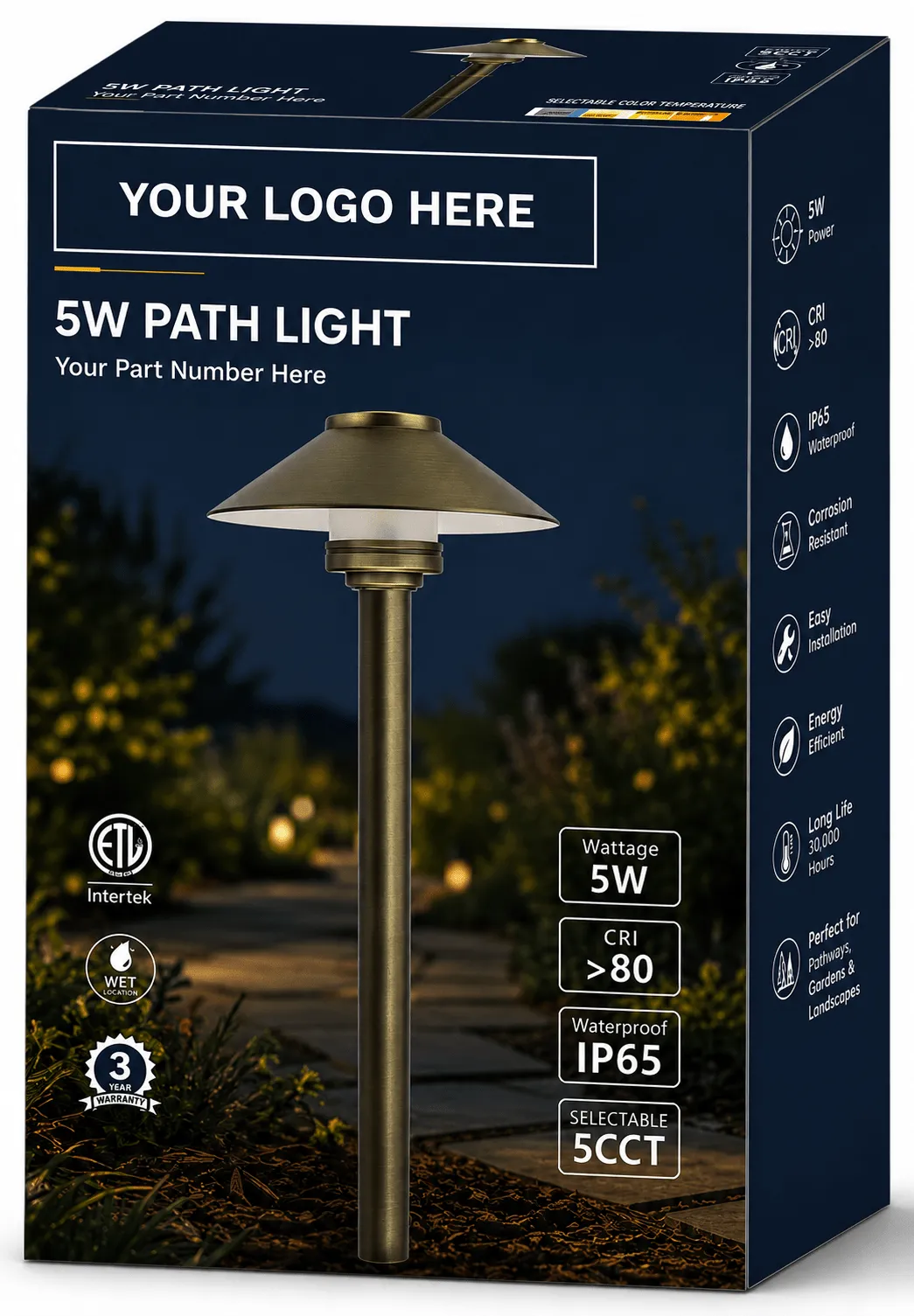
- Materials. Powder-coated aluminum for the entry tier, solid cast brass for the top. The weight difference alone sells the upgrade in a contractor’s hand.
- Features. Basic on/off at the bottom, selectable color temperature in the middle, app-controlled dimming and zoning at the top.
- Warranty. A ladder like 1 year, 5 years, and lifetime maps cleanly onto tiers and costs you little on the products engineered to last anyway.
- Packaging and support. Retail-grade boxes, spec sheets, and priority support belong to the upper tiers.
This is where manufacturing side matters: a platform range that already spans aluminum and brass, standard and smart, gives you a real three-tier line without three times the engineering.
Building the ladder in five steps
- Define the segments. DIY and price-driven buyers, professional contractors and installers, and premium residential or commercial projects rarely overlap. Name them before you price anything.
- Lock the differentiators. Write down exactly what separates each tier in materials, features, and warranty. If you cannot state the difference in one sentence, a buyer cannot either.
- Cost the tiers fully. Manufacturing, packaging, freight, duties, and certification all belong in the build-up. Margin decisions made on factory cost alone fall apart at the dock.
- Set the gaps deliberately. A 20 to 30 percent price step between tiers is large enough to make the upgrade meaningful and small enough to keep it reachable. Tighter gaps blur the tiers; wider gaps strand the middle.
- Test and revisit. Review pricing at least twice a year, and immediately whenever manufacturing costs move. Benchmark against the national brands your channel already stocks.
Keep it at three
More tiers feel like more coverage, but past three options buyers stall. Choice paralysis is real, and every additional tier multiplies your inventory positions, marketing stories, and production complexity. Three is the number that segments the market without segmenting your operations.
Where this lands for a branded program
A tiered line is only as good as the cost structure underneath it. When your manufacturer builds the cost build-up with you, holds a margin floor on every tier, and supplies the aluminum-to-brass platform range the ladder needs, Good-Better-Best stops being a pricing theory and becomes your catalog. That is the program conversation worth having before the first SKU is chosen.